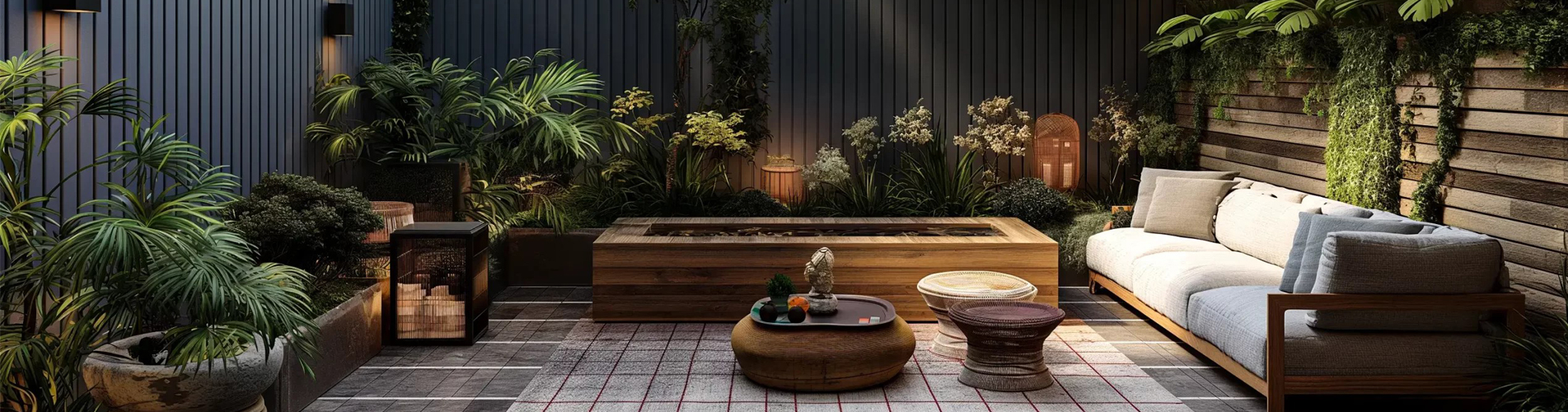
Has encontrado la tira LED perfecta para tu proyecto. Es brillante, del color adecuado y a buen precio. Pero entonces ves las opciones: IP20, IP65, IP67, IP68. ¿Qué significan? Y lo que es más importante, ¿cuál necesitas realmente?
Comprar un producto con un grado de impermeabilidad incorrecto es uno de los errores más caros que puedes cometer. Compra algo demasiado impermeable y has malgastado dinero en funciones innecesarias. Compra algo. No es lo suficientemente impermeable y su tira podría fallar en cuestión de semanas, o convertirse en un peligro para la seguridad.
Aquí te explicamos qué significa cada clasificación IP, dónde utilizarlas y cómo elegir la más adecuada para tu proyecto.
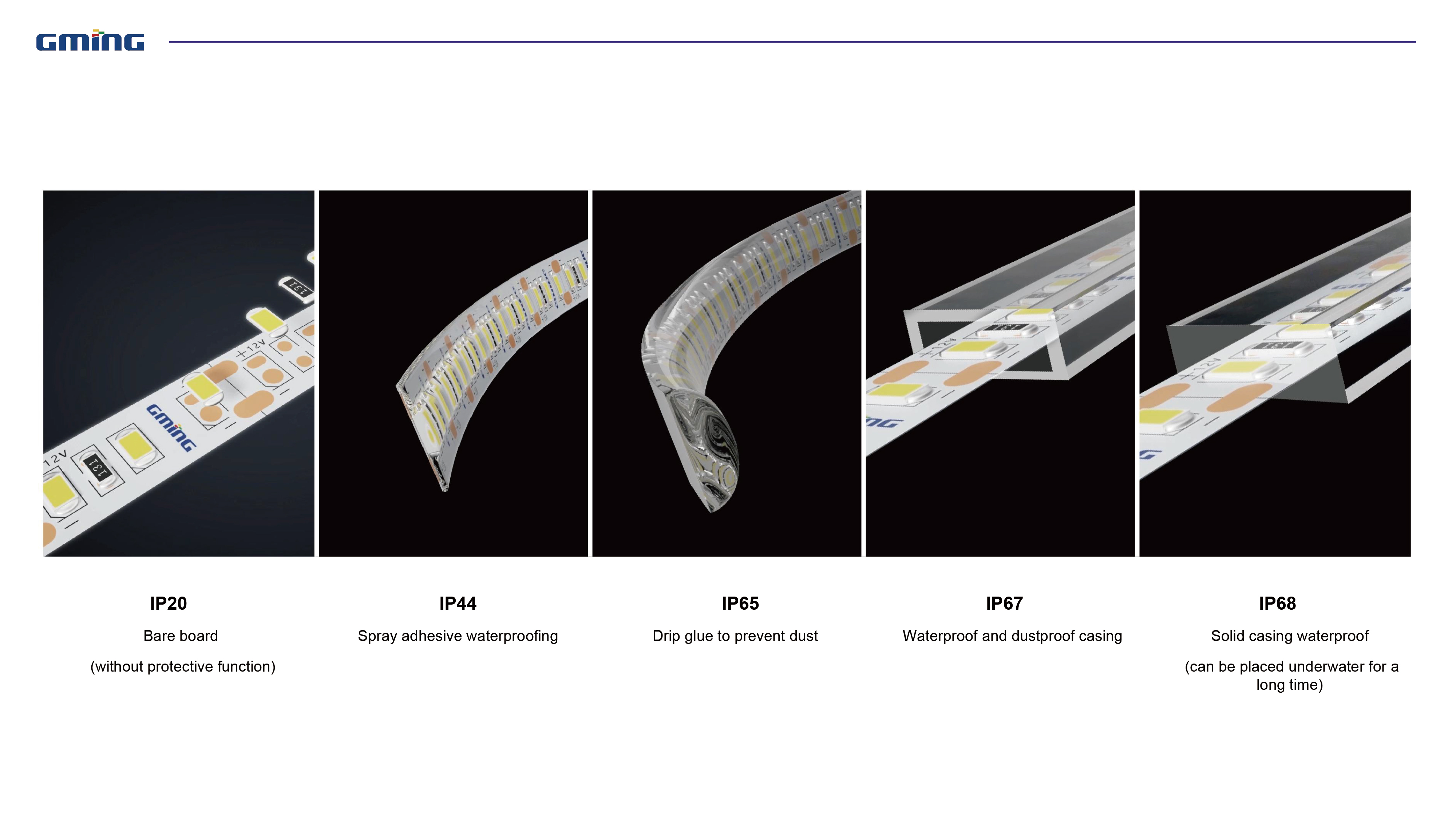
IP significa Protección contra la entrada de agua (qué tan bien el producto impide el paso de sólidos y líquidos). Siempre son dos dígitos:
Primer dígito (0–6) : Protección contra objetos sólidos (polvo, suciedad, dedos)
Segundo dígito (0–8) : Protección contra líquidos (agua, humedad)
En el caso de las tiras LED, lo más común es encontrar estas combinaciones: IP20, IP65, IP67 e IP68. A continuación, te explicamos qué significa cada una para tu instalación.
Qué es: Una tira de LED sin recubrimiento ni cubierta. La placa de circuito y los chips LED están completamente expuestos.
Nivel de protección:
Sólidos: Bloquea objetos de más de 12 mm (dedos, pero no polvo).
Líquidos: Ninguno – ninguna protección.
Ideal para:
Dentro de armarios o cajones
Detrás de televisores o monitores
Debajo de escritorios o estantes
En cualquier lugar completamente seco y no expuesto al polvo ni a la humedad.
Ventajas: La opción más económica, la mejor disipación de calor, la más fácil de cortar y conectar.
Desventajas:
No es resistente a la humedad en absoluto; una sola salpicadura o alta humedad lo dañará.
⚠️ Nunca utilice IP20: En baños, cocinas (cerca de los fregaderos), al aire libre o en cualquier lugar con condensación.
Qué es: La tira de LED está recubierta con una capa de silicona o resina epoxi. Los laterales y los extremos pueden quedar expuestos a menos que estén sellados.
Nivel de protección:
Sólidos: Hermético al polvo – No puede entrar polvo
Líquidos: Protección contra chorros de agua a baja presión (salpicaduras, lluvia, pero no inmersión)
Ideal para:
Patios exteriores cubiertos o bajo los aleros
Iluminación bajo los armarios de la cocina (cerca de los fregaderos)
Iluminación del tocador del baño (alejada del chorro directo de la ducha)
Exhibidores de venta minorista cuya limpieza requiere un paño.
Señalización y letras corpóreas
Ventajas: Buen equilibrio entre protección y coste, flexible, fácil de cortar (es necesario volver a sellar los extremos cortados).
Desventajas:
No se puede sumergir, los extremos deben sellarse manualmente después del corte.
Consejo profesional: La clasificación IP65 suele ser la opción adecuada para el 90 % de las aplicaciones residenciales en exteriores, siempre y cuando la tira LED no esté sumergida en charcos ni totalmente expuesta a la lluvia intensa.
Qué es: Toda la tira de LED está encerrada en una tubo de silicona (hueco o relleno). El tubo está sellado en ambos extremos.
Nivel de protección:
Sólidos: Hermético al polvo
Líquidos: Protección contra inmersión temporal en agua hasta 1 metro de profundidad durante 30 minutos
Ideal para:
Iluminación para estanques o fuentes de jardín (totalmente sumergida)
Escaleras o senderos exteriores donde podría acumularse agua.
Embarcaciones, muelles o aplicaciones marinas
Lugares húmedos expuestos directamente a la lluvia (sin voladizos).
Ventajas: Totalmente impermeable para inmersión, muy duradero, se puede utilizar en condiciones climáticas extremas.
Desventajas:
Más grueso y menos flexible que el IP65, más difícil de cortar (hay que volver a sellar el tubo), más caro.
⚠️ Nota: Las tiras IP67 con tubos de silicona pueden resultar más rígidas que las tiras sin revestimiento. Son ideales para tramos rectos, pero no para curvas cerradas o formas complejas.
Qué es: Similar a IP67 pero con un mayor nivel de protección contra el agua. Normalmente un totalmente encapsulado tira sin espacios de aire.
Nivel de protección:
Sólidos: Hermético al polvo
Líquidos: Protección contra inmersión continua en aguas de más de 1 metro de profundidad (el fabricante especifica la profundidad, normalmente hasta 3 metros).
Ideal para:
Iluminación subacuática para piscinas o spas
Acuarios
Fuentes con inmersión permanente
Aplicaciones marinas o industriales con exposición constante al agua.
Ventajas: Máxima protección contra el agua, puede utilizarse en los entornos más exigentes.
Desventajas:
El más caro, el menos flexible, difícil de cortar o personalizar, excesivo para casi todas las aplicaciones domésticas.
Consejo profesional: A menos que realmente estés sumergiendo la tira bajo el agua. permanentemente Probablemente no necesites IP68. IP67 soporta bien la inmersión ocasional.
| Clasificación IP | Protección contra el polvo | Protección contra el agua | Flexibilidad | Corte | Uso típico |
|---|---|---|---|---|---|
| IP20 | Bajo | Ninguno | Alto | Fácil | Interior seco (armarios, retroiluminación de televisores) |
| IP65 | Hermético al polvo | Resistente a salpicaduras | Alto | Fácil (sella los extremos) | Exteriores cubiertos, cocinas, baños |
| IP67 | Hermético al polvo | Inmersión temporal (1 m/30 min) | Medio | Tubo duro (para volver a sellar) | Estanques, escalones, lluvia directa |
| IP68 | Hermético al polvo | Sumersión continua (>1 m) | Bajo | Muy difícil | Piscinas, acuarios, zonas marinas |
Error n.° 1: Usar IP20 en exteriores “porque está debajo de un alero”.
La humedad, el rocío matutino y la lluvia arrastrada por el viento destruirán una tira LED IP20 en cuestión de semanas. Incluso si nunca le cae lluvia directamente, la humedad del aire es suficiente.
Error n.º 2: Comprar una estructura con clasificación IP68 para un patio cubierto.
Estás pagando por una protección sumergible que nunca usarás. La clasificación IP65 es más que suficiente para un área exterior cubierta.
Error n.º 3: Cortar una tira IP65 o IP67 y no sellar el extremo cortado.
Al cortar una tira impermeable, el borde cortado deja al descubierto las almohadillas de cobre. Si ese borde se moja, la tira sufrirá un cortocircuito. Utilice siempre sellador de silicona o tubo termorretráctil con adhesivo para sellar los extremos cortados.
Error n.° 4: Suponer que "impermeable" significa que se puede instalar en cualquier lugar.
Incluso las tiras IP68 tienen sus limitaciones. Están diseñadas para agua dulce. El agua salada, los productos químicos o las temperaturas extremas aún pueden dañarlas.
Paso 1: ¿La tira estará expuesta al agua o a la humedad?
No → IP20
Sí → Ir al paso 2
Paso 2: ¿Dónde está instalado?
En el interior, pero cerca del fregadero, la ducha o en zonas con alta humedad → IP65
Exterior, bajo techo (alero, pérgola, porche) → IP65
Afuera, totalmente expuesto a la lluvia → IP67
En un estanque, fuente o piscina → IP68
Sumergido permanentemente (acuario, fondo de piscina) → IP68
Elegir la clasificación IP adecuada no es complicado una vez que se entiende contra qué protege realmente cada nivel. La regla de oro: Compra la calificación más baja que cumpla con tus necesidades ambientales. – pero nunca baje de lo necesario.
Para la mayoría de los usuarios domésticos:
En interiores, en un lugar seco: IP20
En interiores, en ambientes húmedos o cerca del agua: IP65
Al aire libre, protegido: IP65
Al aire libre, expuesto: IP67
Dedica un poco más de tiempo al principio para elegir la potencia adecuada para tu proyecto. Así evitarás tener que reemplazar tiras defectuosas y la frustración de un proyecto de iluminación que se desmorona tras la primera lluvia.
¿Listo para elegir la tira adecuada para tu proyecto? Descubre nuestra gama completa de tiras LED IP20, IP65, IP67 e IP68, todas con la garantía de calidad de fábrica. ¿No sabes cuál se adapta mejor a tu instalación? Ponte en contacto con nuestro equipo y envíanos algunas fotos de tu espacio; te recomendaremos la solución perfecta.
¿Quieres saber más? Consulta nuestras guías sobre selección de fuentes de alimentación y buenas prácticas de instalación para asegurarte de que tu proyecto de iluminación se desarrolle sin problemas de principio a fin.

 Nuestra tienda


 Network IPv6 compatible con
 English
 français
 español
 العربية
 한국의
한국의